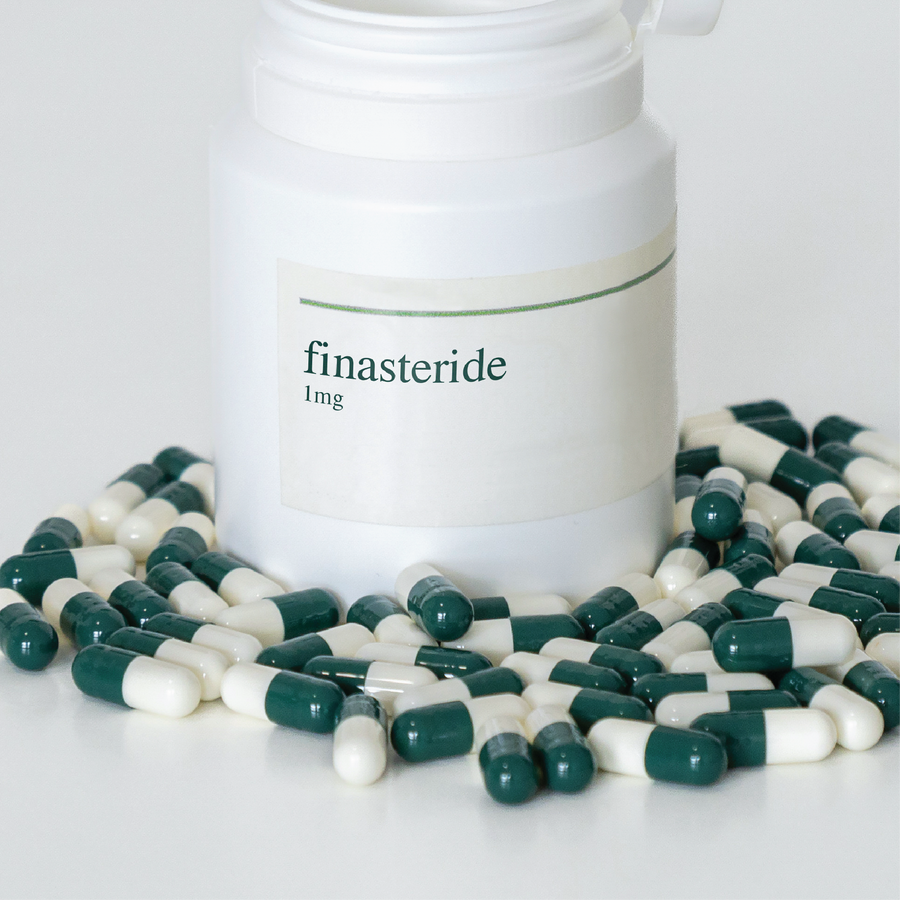
Oral hair loss treatments are medications taken by mouth that work systemically, meaning they are absorbed from the gut into the bloodstream and distributed throughout the body. Once in circulation, they act at the level of the hair follicle — either by reducing hormones such as DHT that contribute to follicle miniaturisation, or by stimulating hair growth pathways and prolonging the growth (anagen) phase of the hair cycle. Because they work internally rather than directly on the scalp, they can influence hair growth more broadly and typically require medical assessment and ongoing supervision.

Middle ages man with hair loss holding fingers to affected areas on head.

Why Oral Treatments Are Some of the Best for Hair Loss

Oral medications are among the most effective treatments for male pattern hair loss due to several unique strengths.

Many oral agents (particularly finasteride and similar drugs) have decades of studies demonstrating measurable hair count increases and slowing of hair loss.

Taking a pill or capsule once a day is simple, discreet, and fits most lifestyles.

Oral and topical treatments together often deliver synergistic benefits — addressing hair loss from multiple fronts.

Common Active Ingredients In Oral Treatments

Finasteride

Finasteride inhibits 5α-reductase type II, the enzyme that converts testosterone into dihydrotestosterone (DHT) — the hormone most directly implicated in male pattern hair loss. Studies show tha... read more

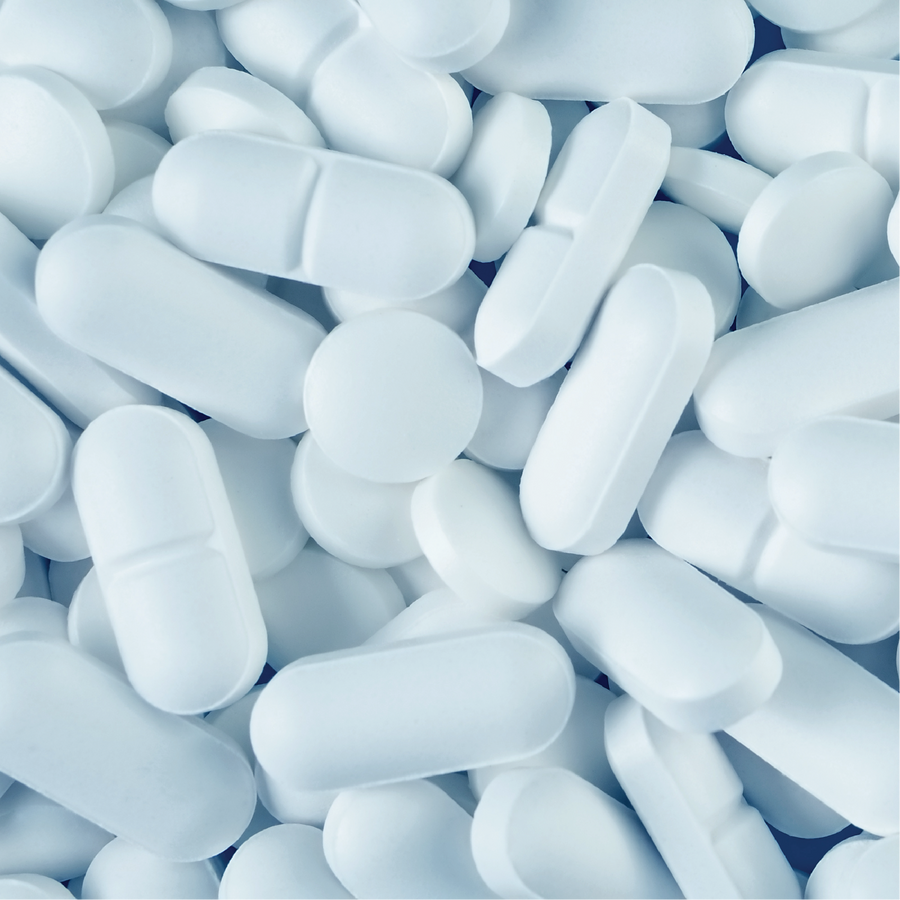
Finasteride inhibits 5α-reductase type II, the enzyme that converts testosterone into dihydrotestosterone (DHT) — the hormone most directly implicated in male pattern hair loss. Studies show that daily finasteride can significantly slow hair loss and often produce regrowth in many men over time. Reduces DHT levels – Slows follicle shrinkage – Supports thicker, stronger hair. Commonly prescribed at 1 mg daily for hair loss.

Potential side effects include lowered libido, erectile dysfunction, mood changes and decreased ejaculate volume.

read less

PRESCRIPTION REQUIRED

DHT BLOCKER

Dutasteride

Dutasteride is another 5α-reductase inhibitor that blocks both type I and type II isoenzymes, giving it broader action than finasteride. It is also significantly more potent than finasteride. Of... read more

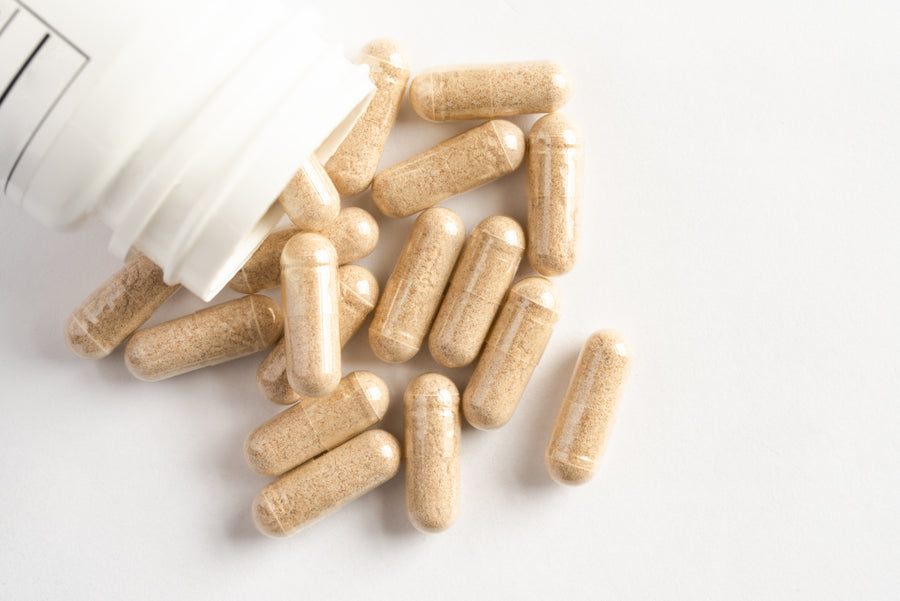
Dutasteride is another 5α-reductase inhibitor that blocks both type I and type II isoenzymes, giving it broader action than finasteride. It is also significantly more potent than finasteride. Often used when finasteride alone is insufficient. May produce stronger effects in some patients. Typically prescribed off-label for hair loss. Typically prescribes at 0.5 mg daily for hair loss.

Potential side effects include lowered libido, erectile dysfunction, mood changes and decreased ejaculate volume. Because dutasteride blocks more enzyme types, some patients report higher rates side effects than with finasteride.
read less

PRESCRIPTION REQUIRED

DHT BLOCKER

Minoxidil

Stimulates hair follicles by increasing blood flow and prolonging the growth (anagen) phase. Most effective for early-stage hair loss; slows hair loss and promotes regrowth in many users, especi... read more

Stimulates hair follicles by increasing blood flow and prolonging the growth (anagen) phase. Most effective for early-stage hair loss; slows hair loss and promotes regrowth in many users, especially at the crown. Common prescribed at 0.25-1 mg per day.

Potential side effects include mild fluid retention, a slight increase in heart rate, temporary increased hair shedding and increased hair growth in other areas of the body.

read less

PRESCRIPTION REQUIRED

PROMOTES HAIR GROWTH

Saw Palmetto

Saw palmetto is a natural supplement sometimes used to support hair health by inhibiting DHT, a hormone linked to hair loss. It may help slow thinning and improve hair density in some people, th... read more

Saw palmetto is a natural supplement sometimes used to support hair health by inhibiting DHT, a hormone linked to hair loss. It may help slow thinning and improve hair density in some people, though evidence is less robust than prescription treatments. Typical use is oral, in doses standardized to extract, and it is generally considered safe with minimal side effects.

read less

PRESCRIPTION NOT REQUIRED

PROMOTES HAIR GROWTH

Other Active Ingredients

Spironolactone is a prescription anti-androgen used primarily for female pattern hair loss. It works by blocking DHT at the hair follicle, helping to slow thinning and promote regrowth in some w... read more

Spironolactone is a prescription anti-androgen used primarily for female pattern hair loss. It works by blocking DHT at the hair follicle, helping to slow thinning and promote regrowth in some women. Typical doses range from 50–200 mg daily under medical supervision, with monitoring for side effects like electrolyte changes.

Nutraceuticals and vitamins can support overall hair health by providing key nutrients like biotin, zinc, and vitamin D. They may help reduce shedding and improve hair strength, especially when deficiencies are present. These supplements are generally safe but should be used under guidance to ensure appropriate dosing and effectiveness.

read less

LESS COMMON

Finasteride

Finasteride inhibits 5α-reductase type II, the enzyme that converts testosterone into dihydrotestosterone (DHT) — the hormone most directly implicated in male pattern hair loss. Studies show tha... read more

Finasteride inhibits 5α-reductase type II, the enzyme that converts testosterone into dihydrotestosterone (DHT) — the hormone most directly implicated in male pattern hair loss. Studies show that daily finasteride can significantly slow hair loss and often produce regrowth in many men over time. Reduces DHT levels – Slows follicle shrinkage – Supports thicker, stronger hair. Commonly prescribed at 1 mg daily for hair loss.

Potential side effects include lowered libido, erectile dysfunction, mood changes and decreased ejaculate volume.
read less

PRESCRIPTION REQUIRED

DHT BLOCKER

Dutasteride

Dutasteride is another 5α-reductase inhibitor that blocks both type I and type II isoenzymes, giving it broader action than finasteride. It is also significantly more potent than finasteride. Of... read more

Dutasteride is another 5α-reductase inhibitor that blocks both type I and type II isoenzymes, giving it broader action than finasteride. It is also significantly more potent than finasteride. Often used when finasteride alone is insufficient. May produce stronger effects in some patients. Typically prescribed off-label for hair loss. Typically prescribes at 0.5 mg daily for hair loss.

Potential side effects include lowered libido, erectile dysfunction, mood changes and decreased ejaculate volume. Because dutasteride blocks more enzyme types, some patients report higher rates side effects than with finasteride.

read less

PRESCRIPTION REQUIRED

DHT BLOCKER

Minoxidil

Stimulates hair follicles by increasing blood flow and prolonging the growth (anagen) phase. Most effective for early-stage hair loss; slows hair loss and promotes regrowth in many users, especi... read more

Stimulates hair follicles by increasing blood flow and prolonging the growth (anagen) phase. Most effective for early-stage hair loss; slows hair loss and promotes regrowth in many users, especially at the crown. Common prescribed at 0.25-1 mg per day.

Potential side effects include mild fluid retention, a slight increase in heart rate, temporary increased hair shedding and increased hair growth in other areas of the body.

read less

PRESCRIPTION REQUIRED

PROMOTES HAIR GROWTH

Saw Palmetto

Saw palmetto is a natural supplement sometimes used to support hair health by inhibiting DHT, a hormone linked to hair loss. It may help slow thinning and improve hair density in some people, th... read more

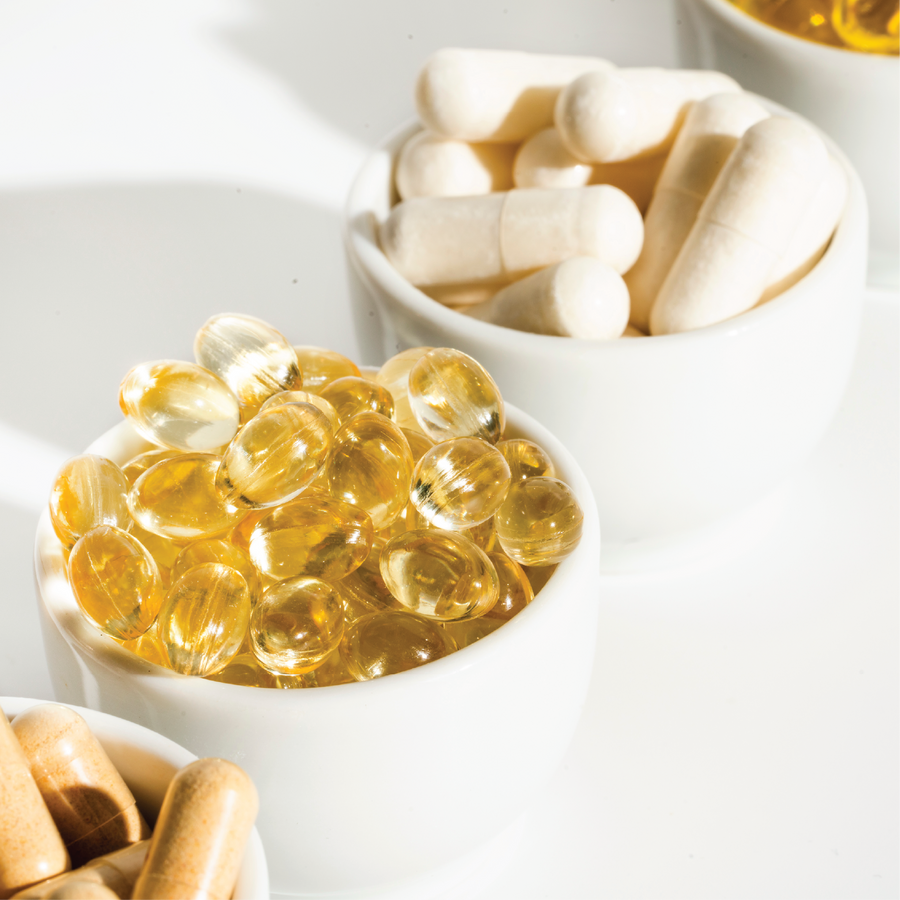
Saw palmetto is a natural supplement sometimes used to support hair health by inhibiting DHT, a hormone linked to hair loss. It may help slow thinning and improve hair density in some people, though evidence is less robust than prescription treatments. Typical use is oral, in doses standardized to extract, and it is generally considered safe with minimal side effects.

read less

PRESCRIPTION NOT REQUIRED

PROMOTES HAIR GROWTH

Other Active Ingredients

Spironolactone is a prescription anti-androgen used primarily for female pattern hair loss. It works by blocking DHT at the hair follicle, helping to slow thinning and promote regrowth in some w... read more

Spironolactone is a prescription anti-androgen used primarily for female pattern hair loss. It works by blocking DHT at the hair follicle, helping to slow thinning and promote regrowth in some women. Typical doses range from 50–200 mg daily under medical supervision, with monitoring for side effects like electrolyte changes.

Nutraceuticals and vitamins can support overall hair health by providing key nutrients like biotin, zinc, and vitamin D. They may help reduce shedding and improve hair strength, especially when deficiencies are present. These supplements are generally safe but should be used under guidance to ensure appropriate dosing and effectiveness.

read less

LESS COMMON

All systemic medications carry a risk of side effects so it is important to be well informed and to provide consent before starting treatment. Most side effects are rare and often resolve after discontinuation. The majority of patients experience significant hair results with no adverse effects. For more information talk to your doctor.

Tips For Starting Oral Hair Loss Treatments

Before you start

  • Discuss medical history, medications and allergies with your doctor.
  • Understand potential side effects of your treatment so you know what to look out for.
  • Clarify dosing instructions, when to take the medication and how much.

Daily routine

  • Take the same amount each day.
  • Do not skip doses (consistency is everything in hair loss treatment).

What to expect

  • Initial results after 3-6 months.
  • Visible changes after 6-12 months.

Our Oral Hair Loss Treatments

At Men’s Hair Clinic, our oral treatment protocols emphasise safety, efficacy, and personalised medicine.

What makes us different: 

  • Clinician-led assessment.
  • Shared doctor-patient decision making to select the most appropriate treatment.
  • Tailored dosing with custom compounded medications.
  • Ongoing support and monitoring free of charge.
  • Adjustments to treatment plans as needed.

If you're interested in speaking with a doctor and starting your hair regrowth treatment, complete the 2 minute hair loss assessment and book a time to chat with one of our hair loss doctors.